Reader impact before jargon
Public records are translated around who is affected, what changed, what deadline matters and where the original source can be checked.
Open Plain English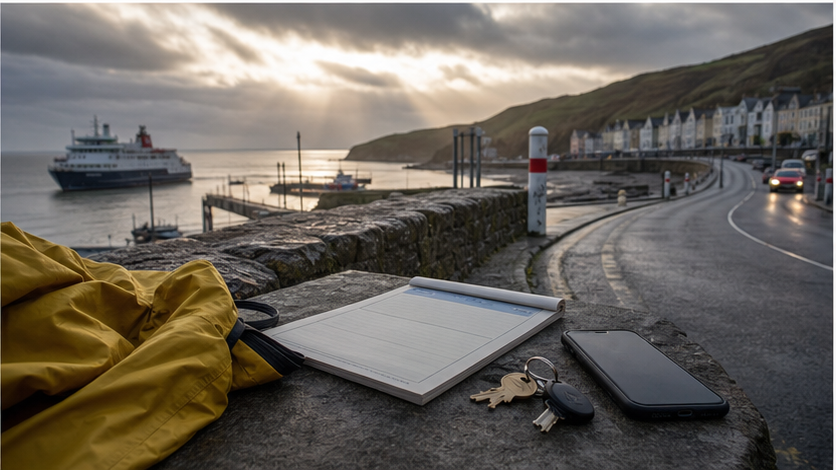 Plan the dayStandards visual contextPractical Island planning should look practical.
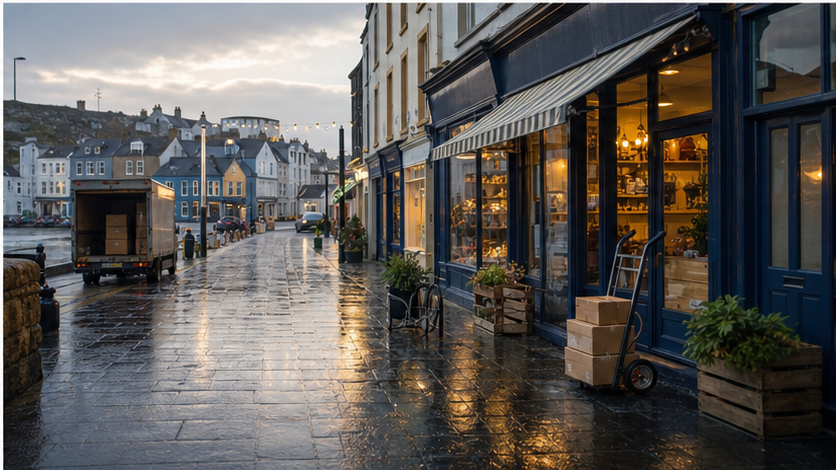 Local commerceAdvertising that fits the briefingCommercial pages need useful, local visual cues.
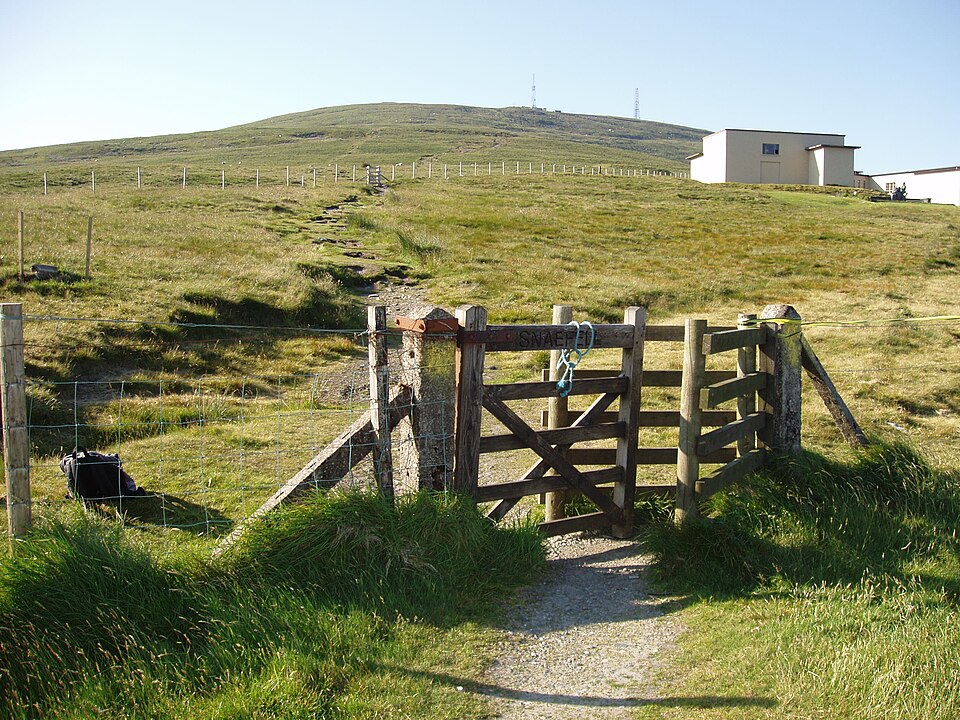 SnaefellMountain road above the IslandMorning context should feel rooted in the place readers know.
Editorial standards · public trust
Plain-English summaries, visible source handling, easy corrections, clear commercial disclosure, public-record scope and daily verification are gathered here so readers can judge the briefing quickly.
These are the promises a reader should be able to see while reading, checking sources or sending a correction.
Public records are translated around who is affected, what changed, what deadline matters and where the original source can be checked.
Open Plain EnglishStories, public notices, FOI items, Tynwald papers and tenders should keep source names or links visible whenever issue data provides them.
Open Source trailBroken links, unclear summaries, dates, names or factual issues should have an obvious correction link tied to the page or issue URL.
Open CorrectionsAdvertising and product links stay separated from editorial source notes, with disclosure before readers leave the site.
Open Commercial boundaryThe public pages should keep quality and safety boundaries visible for readers, sources and advertisers.
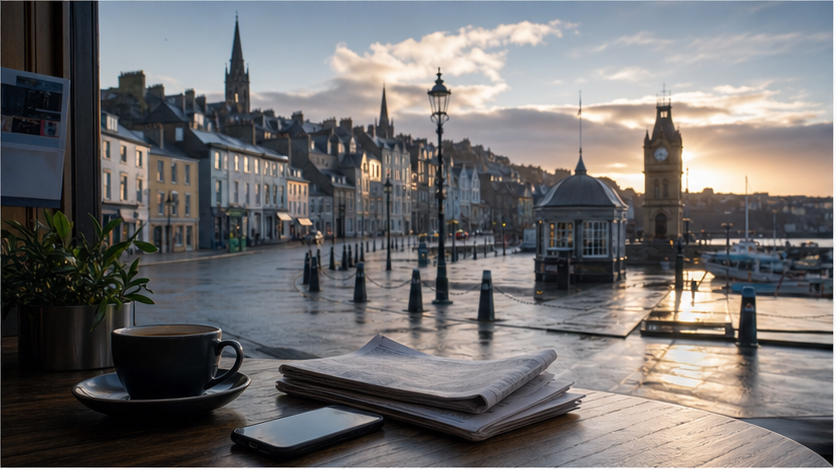
Start with what you need to prove: check evidence, test the coverage boundary, send a correction or confirm today is published.
Use source notes, original links and latest issue examples before quoting or challenging a claim.
Open sourcesUse the coverage guide when you need topic boundaries, public-record context or the right page for a subject.
Open coverageSend broken links, unclear summaries, wrong dates, missing context or right-of-reply notes with public evidence.
Send evidenceUse status when you need the latest issue, website update confirmation and public page list.
Open statusSend the issue URL, the problem and any public source evidence so the archive can be checked and corrected.
Plan the day · Weather, tides, roads and travelLocal commerce · Advertising that fits the briefingSnaefell · Mountain road above the Island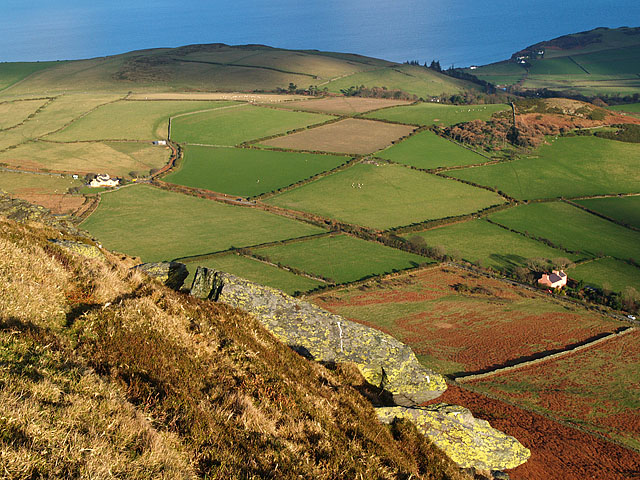 South Barrule · Upland views and local geography