Mountain Road: Understanding Winter Closures and Why They Matter
The green light at the Creg-ny-Baa pub means go. The red light means the Mountain Road is closed. For anyone who commutes between Douglas and Ramsey, or who lives in the northern parishes, that traffic light might be the single most impactful piece of infrastructure on the island.
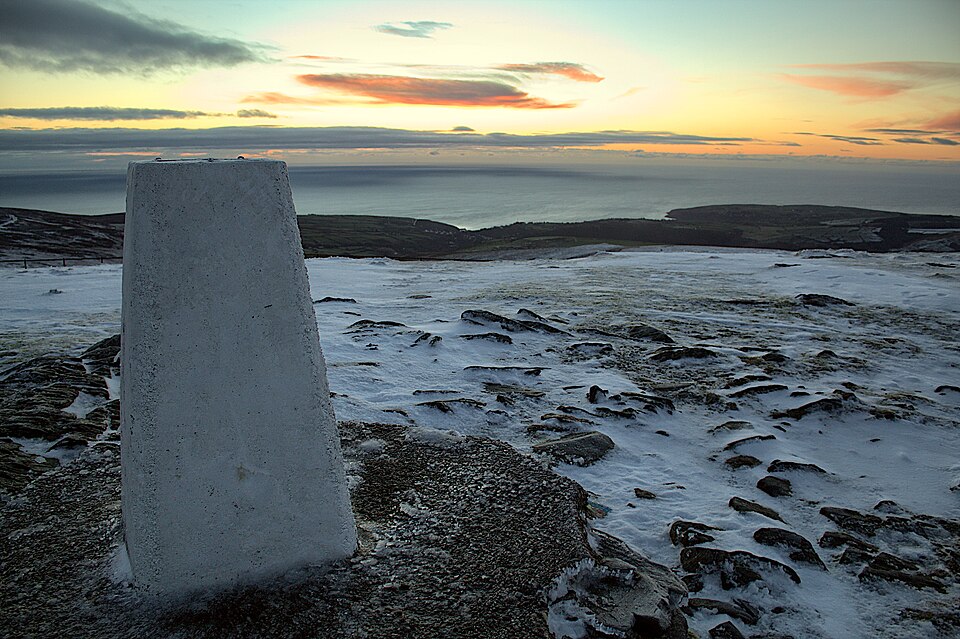
The Snaefell Mountain Road — the A18, running from the Creg-ny-Baa crossroads over the mountain to Ramsey — is closed whenever conditions are deemed unsafe. In winter, that can mean days or weeks of continuous closure, adding 20-30 minutes to journeys between the island's two largest towns.
How the Decision Is Made
The Department of Infrastructure monitors the road using a combination of automated weather stations, CCTV cameras, and good old-fashioned local knowledge. The key factors are visibility, ice, snow, and wind speed. At 1,400 feet, the summit section is exposed to conditions that the coastal roads simply don't experience.
The decision to close is taken by the DoI's highways team, typically in the early morning before the commuter rush. The status is updated on the DoI website, on Manx Radio, and — crucially — via the traffic light system at both ends of the road.
The Impact
When the Mountain Road closes, the alternative routes — via the coast road through Laxey (the A2) or the inland road through Ballaugh (the A3) — absorb the additional traffic. Congestion through Laxey village, already tight at the best of times, becomes genuinely problematic. Journey times between Douglas and Ramsey can exceed an hour during peak periods.
For businesses in the north, particularly those with employees commuting from Douglas, winter closures are a logistics headache. Schools, medical appointments, and freight deliveries are all affected. The economic cost has never been formally calculated, but anecdotal evidence suggests it's significant.
The Perennial Debate
Every winter, the question resurfaces: should more be done to keep the Mountain Road open? Options discussed over the years include heated road surfaces (prohibitively expensive), snow gates (installed at some exposed sections), improved drainage, and more aggressive gritting schedules.
Others argue that closing the road when conditions are dangerous is simply common sense, and that the alternative routes, while slower, are safe and functional. The mountain is the mountain. You can't change the weather at 1,400 feet.
For now, the best advice remains what it's always been: check before you travel, allow extra time in winter, and when the light's red at the Creg, don't push your luck.