This Day in Manx History: The Forgotten Internment Camps of Port Erin and Port St Mary
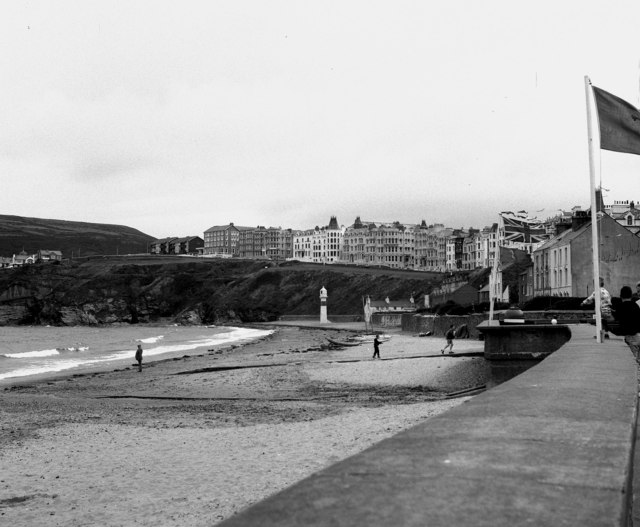
During the Second World War, the Isle of Man played a role that few outside the island know about — and that many on it would prefer to forget. The southern villages of Port Erin and Port St Mary were requisitioned as internment camps, housing thousands of civilians deemed to be "enemy aliens" by the British government.
The camps operated from 1940 to 1945. At their peak, over 14,000 people were interned across various locations on the island, including camps in Douglas (Hutchinson, Metropole, and Onchan) and the women's camp that encompassed virtually the entire village of Port Erin.
Who Was Interned
The internees were overwhelmingly civilians — German, Austrian, and Italian nationals living in Britain when war broke out. Many were Jewish refugees who had fled Nazi persecution, only to find themselves imprisoned by the country they had sought sanctuary in. The bitter irony was not lost on them.
In Port Erin, the internees were women and married couples. The entire village was surrounded by barbed wire, with boarding houses and hotels converted into accommodation. Local residents were given the choice to remain inside the perimeter or relocate — most stayed, creating a strange coexistence between Manx villagers and European internees.
Life Behind the Wire
Despite the circumstances, the camps developed a remarkably rich cultural life. Internees organised lectures, concerts, art exhibitions, and educational courses. Several prominent academics and artists were among the interned, and the cultural programme at Hutchinson camp in Douglas became famous enough to attract coverage in the national press.
The women of Port Erin established their own social structures. Hildegard Hess, who was interned there from 1940 to 1941, later wrote: "The sea was beautiful, the people were kind, but the wire never let you forget."
The Legacy
Today, little physical evidence remains of the camps. A small plaque in Port Erin commemorates the internees, and the Manx Museum in Douglas has a permanent exhibition. But for decades, the internment story was largely absent from both Manx and British public memory.
Recent years have seen renewed interest. Academic research, including work by historians at the University of Manchester and the Isle of Man's own Heritage Library, has brought individual stories to light. A documentary screened at the Manx Museum in 2024 drew standing-room-only audiences.
The story of the Isle of Man's internment camps is uncomfortable precisely because it defies simple narratives. The island provided relative safety and, eventually, freedom — but it also served as a prison for people whose only crime was their nationality. It's a chapter worth remembering.